 Maintenance
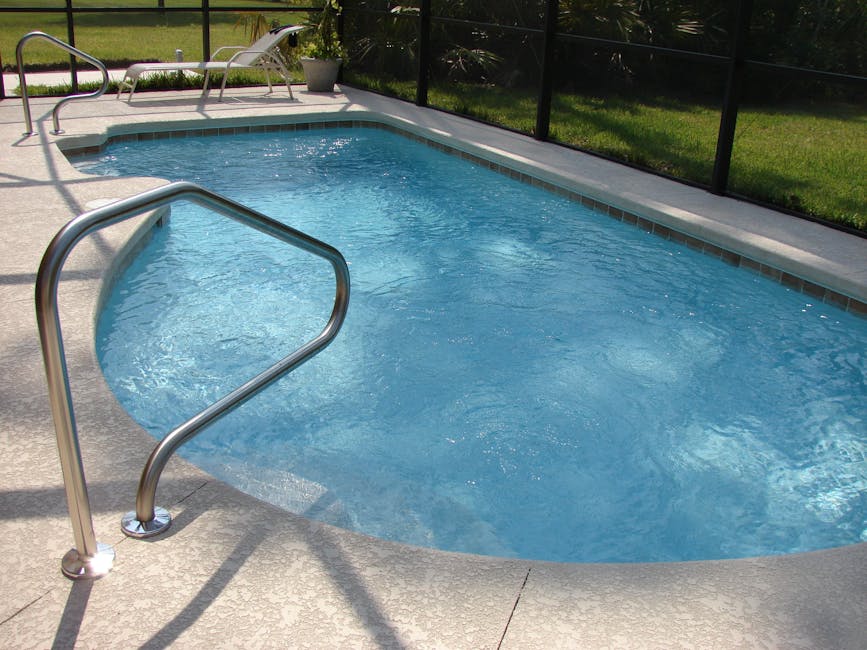
5 Signs Your Pool Needs Professional Help
Cloudy water, strange odors, equipment noises, and staining are all red flags. Here's Dave's breakdown of when to stop Googling and start calling a pro.
Dave Says:
"If your pool water looks like a science experiment, it's time to call us. I've seen people try to fix a green pool with bleach from the grocery store — don't be that person!"
- Cloudy or milky water that won't clear
- Green tint or visible algae
- Strange pump or motor noises
- Staining on walls or floor
- Water level dropping unusually fast
 Safety
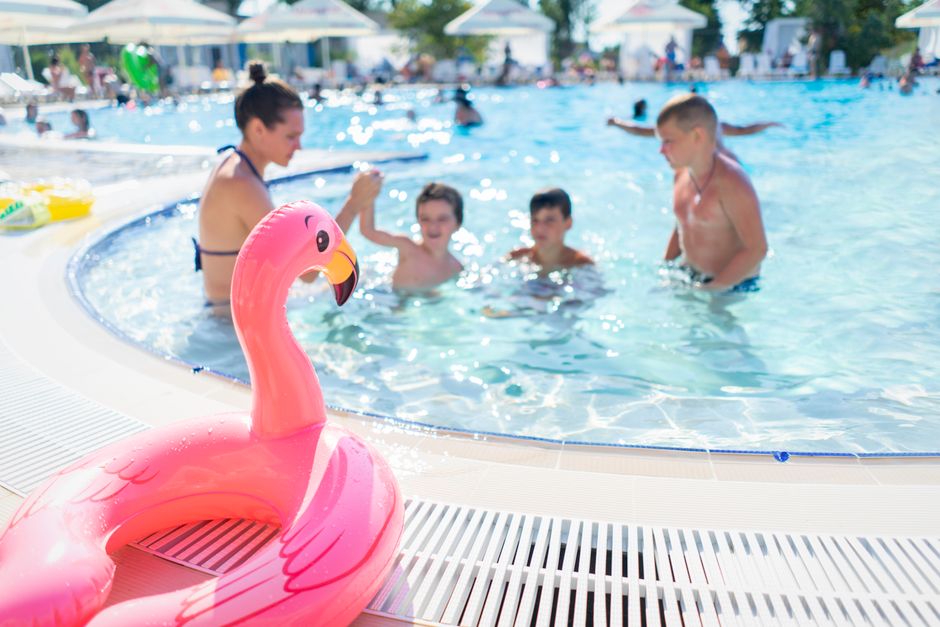
Arizona Summer Pool Safety Checklist
With temps hitting 115°F, your pool becomes the center of family life. Here's Dave's essential safety checklist for Arizona pool owners to keep everyone safe and happy.
Key Tips:
- Check pool fence and gate locks monthly
- Never swim alone — Arizona heat makes drowning risk higher
- Keep chemicals stored properly (heat accelerates reactions)
- Install a pool alarm for extra protection
 Equipment
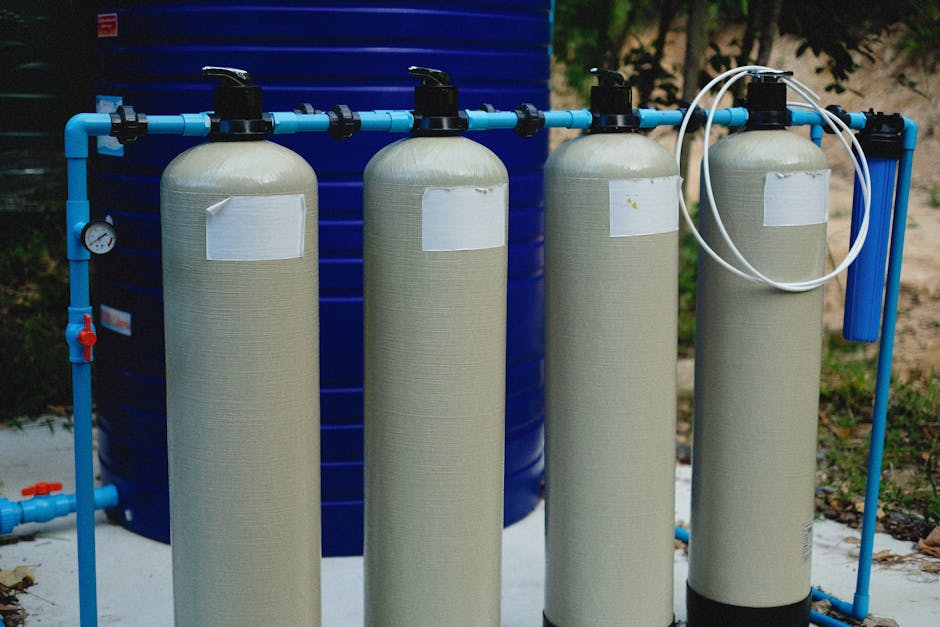
When to Replace vs. Repair Your Pool Pump
Pool pumps don't last forever — but they don't always need replacing either. Dave breaks down the signs of a failing pump and when a repair makes more financial sense than buying new.
Dave's Rule of Thumb:
"If the repair costs more than 50% of a new pump, and the pump is over 8 years old — replace it. You'll save more in energy costs with a new variable-speed pump anyway!"
 Cleaning
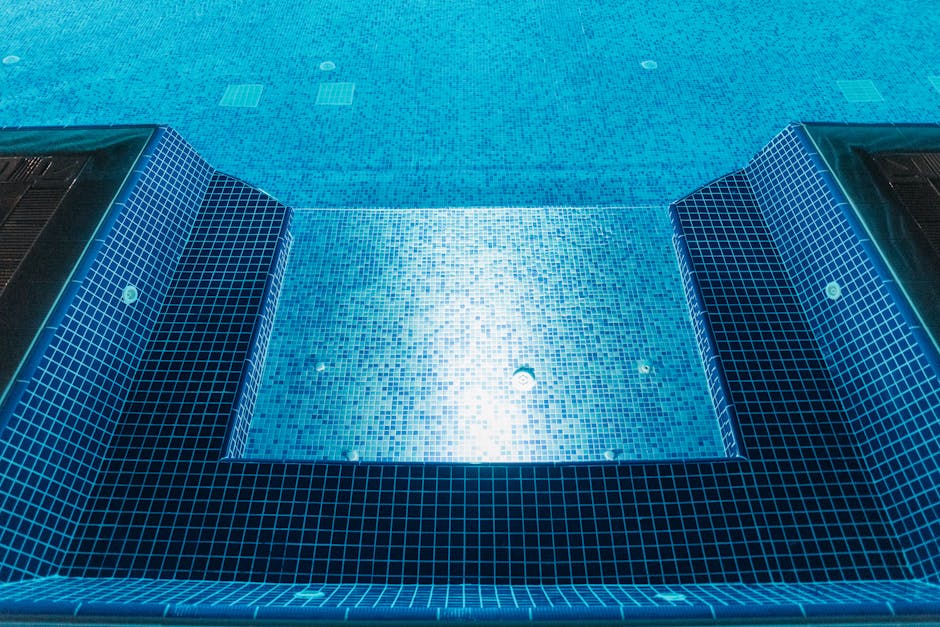
Why Arizona Pools Get Calcium Buildup So Fast
If you've noticed white crusty deposits on your tile line, you're not alone. Arizona's extremely hard water is the culprit. Here's what causes it and how to prevent it between cleanings.
Phoenix metro area water hardness levels are among the highest in the nation — often 300-500+ ppm. This means calcium deposits form faster than in most other states.
 Seasonal
Spring Pool Startup: Your Complete Checklist
Getting ready for pool season? Here's Dave's step-by-step guide to opening your pool for the Arizona spring and summer months.
"Most people wait until it's already 100 degrees to think about their pool. Get ahead of the game — March is the perfect time to schedule your spring startup!"
 Upgrades
Top 5 Pool Upgrades That Add Home Value
Thinking about selling? Or just want to enjoy your pool more? These five upgrades give you the most bang for your buck in the Arizona real estate market.
LED lighting, automation systems, energy-efficient pumps, pebble finishes, and water features top the list for ROI in Arizona homes.
 Cleaning
Green Pool Rescue: Dave's Step-by-Step Fix
Woke up to a swamp? Don't drain it — Dave walks you through the fastest way to go from green to clean without wasting thousands of gallons of water.
Dave Says:
"A green pool is almost always a chlorine + stabilizer problem. Triple-shock it, run the pump 24/7, brush daily, and you'll see results in 48–72 hours. Draining is a last resort — and in Arizona, that's a ton of money down the drain."
 Chemicals
How to Read Your Pool Water Test Results
Test strips and liquid kits can be confusing. Dave explains what every number means and what to do first when multiple levels are off at the same time.
Key Rule:
"Always fix alkalinity first, then pH, then chlorine. If you do it out of order, you'll chase your tail all day. And always add chemicals to water — never water to chemicals."
 FAQ
FAQ
Saltwater vs. Chlorine Pools: What's Right for You?
Saltwater pools are everywhere in Queen Creek right now — but are they actually better? Dave breaks down the real pros, cons, and costs for Arizona homeowners.
- Saltwater feels softer on skin and eyes
- Lower ongoing chemical costs
- $1,500–$3,000 upfront conversion cost
- Salt cells need replacing every 3–5 years
 Arizona Tips
How to Protect Your Pool During an Arizona Dust Storm
Haboobs are a fact of life in the East Valley. A single dust storm can dump enough debris and phosphates into your pool to trigger a full algae bloom overnight.
Before the Storm:
"Shock your pool the evening before a storm is forecast. Run the pump through the night. After the storm, brush everything, clean the skimmer basket, and retest your water. Phosphate levels can spike massively — treat them fast or you'll be fighting algae for a week."
 Upgrades
Pool Automation: Control Your Pool from Your Phone
Pentair IntelliConnect, Hayward OmniLogic, Jandy iAquaLink — modern automation systems let you run your entire pool from an app. Dave explains what's worth it.
Dave Says:
"If you're running a variable-speed pump, a heater, and lights — automation pays for itself in energy savings within 2 years. Being able to turn your heater on from the restaurant so the pool is ready when you get home? That's just living right."
 Equipment
Variable Speed Pumps: Are They Worth It in Arizona?
Variable speed pumps cost more upfront but can cut your pool energy bill by up to 90%. In Arizona — where pools run year-round — the math is almost always a no-brainer.
The Numbers:
A single-speed pump running 8 hours/day costs ~$600–$900/year in electricity in AZ. A variable speed pump running the same pool costs ~$80–$150/year. Payback period: 12–18 months. Most now also qualify for SRP and APS rebates.
 Maintenance
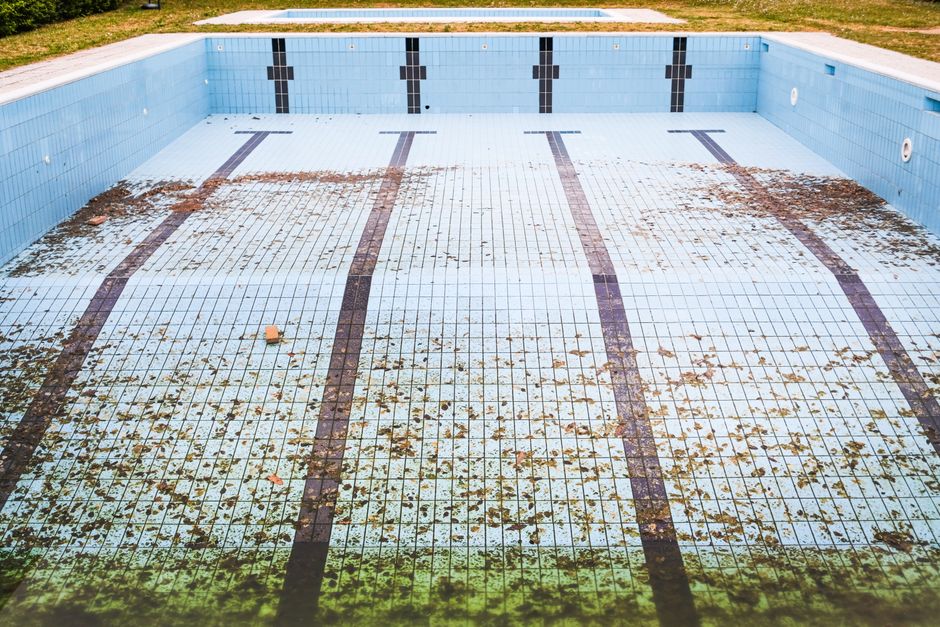
How Often Should You Drain Your Arizona Pool?
Arizona's hard water and intense evaporation cause Total Dissolved Solids to build up faster than anywhere else in the country. Here's when — and how — to drain properly.
Dave's Recommendation:
"In Queen Creek, I recommend a partial drain or full drain every 3–5 years depending on water usage, bather load, and TDS levels. Never drain in summer — the heat can pop your pool shell right out of the ground. October through March is ideal."
 Repair
Why Is My Pool Pump Making That Noise?
Squealing, grinding, humming, or rattling — pool pumps speak a language of their own. Dave decodes the most common noises and tells you which ones need immediate attention.
- Squealing: Worn bearings — replace soon
- Grinding: Debris in impeller — stop pump now
- Humming (no spin): Capacitor failure
- Gurgling: Low water / air in lines — check level
Equipment
Pool Heaters in Arizona: Gas, Heat Pump, or Solar?
Most people think Arizona pools don't need heating — until they try to swim in January. Dave compares all three heater types for the Queen Creek climate.
Quick Comparison:
Gas: Fastest heat-up, highest operating cost. Heat pump: Efficient, works well in AZ winters (50°F+). Solar: Free to run, slower, great for extending the season by 4–6 weeks each end. Dave's pick for most AZ homeowners: solar + heat pump combo.
Chemicals
How to Shock Your Pool the Right Way
Shocking is the single most misunderstood pool task. Wrong time of day, wrong product, wrong amount — Dave sets the record straight so you stop wasting money on shock that does nothing.
Dave's Golden Rules:
- Always shock at dusk — UV destroys it in daylight
- Use calcium hypochlorite (granular), not liquid bleach
- Run the pump all night after shocking
- Pre-dissolve in a bucket of water before adding to pool
 Cleaning
The Truth About Pool Tile Calcium — And How to Beat It
That white crusty ring at your waterline isn't just ugly — left untreated it hardens into scale that can permanently damage your tile grout and coping. Dave explains what causes it and how pros remove it.
Dave Says:
"Phoenix metro water hardness runs 300–500 ppm — some of the hardest in the country. Calcium scale forms constantly. Don't use a pumice stone — it scratches tile. Professional bead blasting removes it cleanly without any damage. We do it every year for most of our clients."
- Keep calcium hardness at 200–400 ppm
- Maintain pH at 7.4–7.6 to slow scaling
- Schedule annual tile cleaning before scale hardens
 Safety
7 Pool Rules Every Arizona Family Should Post Poolside
With summer temps pushing 115°F, the pool is the center of family life in Queen Creek. These seven rules aren't just common sense — they're lifesavers. Print them out and put them on the fence.
- One adult water-watcher at all times — no phones
- No running on the deck — ever
- No swimming alone — always bring a buddy
- No diving in shallow end
- Non-swimmers must wear a life jacket
- No glass near the pool
- Know where the nearest phone is — every second counts
Pool Care Resources
Helpful guides and checklists you can download and keep by your pool!